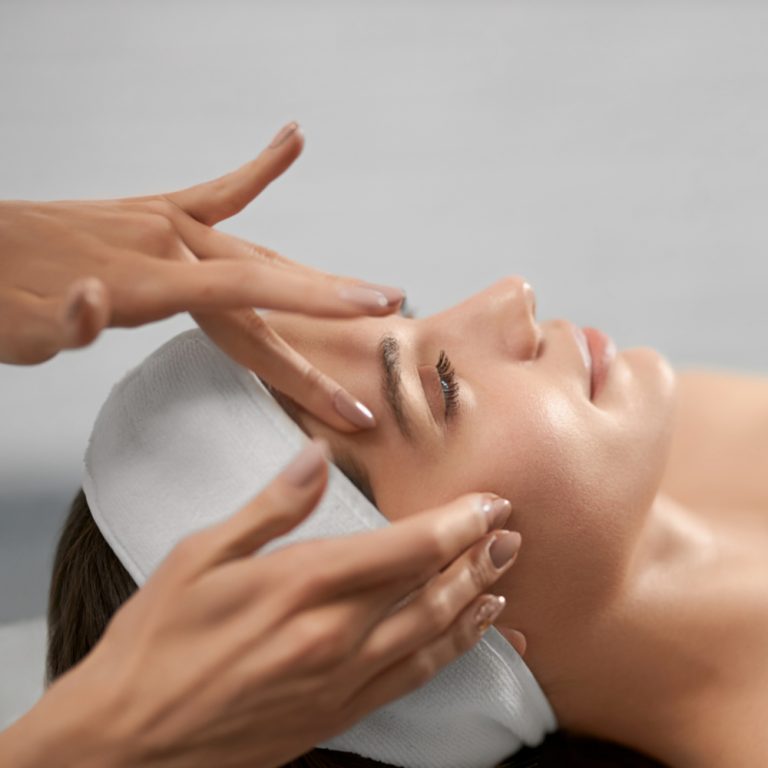
Massage oil for relaxation: what is used and why
Which oil is used for a relaxation massage, why does it matter that it is warm, and what can you choose at home if you want to give someone you love a massage? Below you will find the answers one by one: the right carrier oils, what to know about coconut and olive oil, how to use essential oils without irritating your skin, and what to do if your skin is sensitive.
A relaxation massage works with long, slow strokes and gentle pressure, and the oil is what makes them possible. If you first want to learn what the massage itself does for you, read our article on the benefits of relaxation massage. Here we only talk about oil.
Why oil is used in a relaxation massage
The main reason is glide. During a relaxation massage, the therapist’s hands travel over your back, arms and legs in long strokes, without stopping. On dry skin, the same strokes would pull at the skin, heat it through friction and break every few centimetres. Your body feels this right away and tenses up, which is the exact opposite of what you came for.
Oil spreads the pressure evenly. The therapist can keep the same rhythm from the neck down to the waist, and instead of separate fingers you feel one continuous wave. That steady rhythm slows your breathing and often takes you to the edge of sleep.
The amount matters as much as the type of oil. Too little means friction. Too much means the hands slide without catching the muscle, and the massage becomes superficial. One or two teaspoons are usually enough for the back, added gradually. For comparison, Thai massage is done without oil, through clothing, and firm pressure massages use less oil so the fingers do not slip. Of all of them, relaxation massage is the one that needs good glide the most.
Which oil is good for a relaxation massage
Salons and home massages use what are called base oils (or carrier oils): cold-pressed plant oils with a mild scent, which spread easily and absorb slowly enough to last a whole session. The most common ones are:
- Sweet almond oil. The classic choice for relaxation: an almost neutral scent, easy glide and soft skin afterwards. Not suitable if you are allergic to nuts.
- Grapeseed oil. Light, quickly absorbed and not greasy. Good for combination or oily skin, though it sometimes needs to be reapplied during the massage.
- Jojoba oil. Technically a liquid wax, very similar to the skin’s own sebum. It does not go rancid easily and sensitive skin tolerates it well. It is often mixed with another base oil, because on its own it glides less.
- Sesame oil. Traditionally used in South Asian massage, with a stronger scent and a warm feeling on the skin. Pleasant in winter, less so in summer.
- High-oleic sunflower oil. A simple option you can easily find, as long as it is cold-pressed and fresh.
When you choose, look for three things: it should be cold-pressed, it should not smell strong (if you dislike the scent, you will not relax, however good the oil is), and it should be fresh. An old oil that smells rancid can irritate the skin. Keep the bottle in the dark and tightly closed.
Coconut oil for massage: pros and limits
Coconut oil is probably the most searched oil for massage at home, and for good reasons. It glides well, moisturises dry skin and, in its virgin form, has a sweet scent that reminds many people of holidays. In winter, when indoor heating dries the skin, it is a pleasant choice.
It does have a few quirks. Below roughly 24 degrees Celsius, virgin coconut oil turns solid, so you need to melt it first. It hardens again if the bowl sits next to a cold window. Fractionated coconut oil stays liquid and has no scent, which makes it more practical for massage.
The second limit is about your skin. Coconut oil can clog pores in people prone to acne, especially on the face, chest and upper back. If that is you, use it only on the legs and arms, or pick a lighter oil such as grapeseed. One practical detail: it stains sheets more stubbornly than other oils, so put a towel underneath.
Olive oil or baby oil: are they worth using?
Extra virgin olive oil is thick, absorbs slowly and has a strong smell. For a small patch of very dry skin, such as heels or elbows, it works. For a full body massage it feels heavy, leaves the skin sticky, and the kitchen smell does little for relaxation. If you have nothing else at hand, mix it half and half with a lighter oil.
Commercial baby oil is usually based on mineral oil (paraffin). It glides very well and never goes rancid, but it stays on the surface of the skin and does not nourish it. It is fine for a short massage, less so for a long one.
What to avoid: oil already used for cooking, oils with a chemical smell, and body lotions. Lotion absorbs within minutes, so you need large amounts, and the hands start to drag on the skin exactly when the massage should be at its slowest. For little ones the rules are different, and we wrote about that separately, in our article on which oil to use for baby massage.
Why the oil is warmed before a massage
Cold oil on warm skin causes a small jolt: the muscles contract by reflex, your breath stops for a moment and the body goes on alert for a few seconds. In a relaxation massage, the first minutes are when the body decides whether to let go, so a cold first touch spoils the start.
Oil warmed to body temperature, or slightly above, makes the transition without any shock. The warmth also helps the muscles soften faster, and warm oil spreads more evenly. Salons use dedicated warmers that keep the oil at a constant temperature for the whole session.
At home, place the bottle or a small bowl in a dish of hot water for a few minutes. Avoid the microwave, which heats unevenly and can leave hot spots. Before you put it on the skin, test a drop on the inside of your wrist: it should feel warm and pleasant, never hot.
At Bali Temple, our relaxation massage is done with warm frangipani oil, the flower you see everywhere in Bali, in temples and in the daily offerings. The warm oil and the soft scent of the flower are part of how our Balinese therapists understand relaxation: the body should feel welcomed, not just massaged.
Essential oils: how many drops and when to avoid them
Essential oils are plant concentrates and are never applied undiluted to the skin. They are added to the base oil in small amounts. For a body massage, a 1-2% dilution is enough, which means about 2-4 drops per 10 ml of base oil. More does not mean more relaxing, only a higher risk of irritation and a scent that becomes tiring.
For relaxation, people usually choose lavender, Roman chamomile or sweet orange. A few warnings: bergamot and some cold-pressed citrus oils can make the skin sensitive to sunlight, so avoid sun exposure for a few hours after a massage with them. During pregnancy, for young children and for people with asthma or epilepsy, ask a doctor before using essential oils.
The simplest test is still the scent: you have to like it. A fragrance that feels too strong or unpleasant keeps you on alert, even if the label says “relaxing”.
Sensitive skin, allergies and what to do with the oil after the massage
If your skin is sensitive or you are trying a new oil, do a simple test: put a drop on the inside of your forearm and wait 24 hours. If there is no redness or itching, you can use it. People with a nut allergy should avoid almond and hazelnut oil. If you have eczema, psoriasis or active dermatitis, ask a dermatologist which oil is safe for you and do not massage inflamed areas.
At the salon, tell the therapist at the start if you have any allergy or an area where you do not want oil, such as your face or hair. Therapists usually ask about this before the session, so there is nothing unusual about mentioning it.
After the massage, let the oil absorb for at least 20-30 minutes. The skin looks slightly shiny at first, then simply soft. If you shower, use lukewarm water and a little shower gel, so you do not wash away everything that nourished the skin. Wear loose clothes, ideally dark ones, because oil can mark delicate fabrics. If you would rather enjoy the effect without thinking about temperature, amount or rhythm, book a relaxation massage in Bucharest and leave all of it to the therapist.
Frequently asked questions
Which oil is used for the relaxation massage at Bali Temple?
We use warm frangipani oil, with a soft floral scent. If you have an allergy or very sensitive skin, tell the therapist before the session.
Can I use coconut oil for a relaxation massage at home?
Yes. Choose fractionated coconut oil, which stays liquid and has no scent, or melt virgin coconut oil first. If you are prone to acne, avoid the face, chest and upper back.
How much oil do you need for a full body massage?
For an adult, about 20-30 ml, or two to three tablespoons, added gradually. It is better to start with a little and add more along the way than to have overly slippery skin from the start.
Price and booking
At Bali Temple, relaxation massage is available in 60- and 90-minute sessions. See the latest details and prices and book directly on the Relaxation Massage page, or explore all our treatments in the classic massages section.