How to choose the right massage for you
If you’ve ever opened a spa’s treatment menu and felt overwhelmed by the options, you’re not alone. Balinese, Thai, Swedish, deep tissue, relaxation, reflexology: each promises wellbeing, but which one is right for you, right now? Choosing well isn’t about luck; it comes down to a few simple questions: what does your body feel, what does your mind need, and what result do you expect after the session? In this guide we’ll show you, step by step, how to choose the right massage so you leave the table with exactly the state you were looking for.
What the right massage means for you
The right massage is the one that answers your real need in this moment, not necessarily the most popular one or the one a friend tried. Your body sends clear signals: tight shoulders after weeks at a desk, heavy legs at the end of the day, a restlessness that keeps you from sleeping, or simply the desire to disconnect completely. Each of these signals points to a different kind of therapy.
That’s why, before booking, it’s worth answering three honest questions: do you want relaxation or deep muscular work? Do you prefer long, slow strokes or firm, targeted pressure? Is there one area bothering you, or are you after overall wellbeing? Your answers already sketch the profile of your ideal massage, and our therapists can guide you further on the spot.
The main massage techniques, in short
At Bali Temple you’ll find a complete range of therapies, each with its own personality. Balinese massage blends firm pressure, kneading and gentle stretches into a complete ritual inspired by the island’s tradition. Thai massage works through assisted stretches and pressure along energy lines, often described as “passive yoga”. Swedish massage uses long, rhythmic strokes that warm the muscles and boost circulation.
For deep muscular tension, deep tissue massage reaches the deeper layers of tissue, ideal after physical effort or long sedentary periods. And if your goal is total disconnection, the relaxation massage uses slow movements and aromatic oils to calm the nervous system. Reflexology, facial or scalp massage complete the picture for specific needs.
How each type of massage works
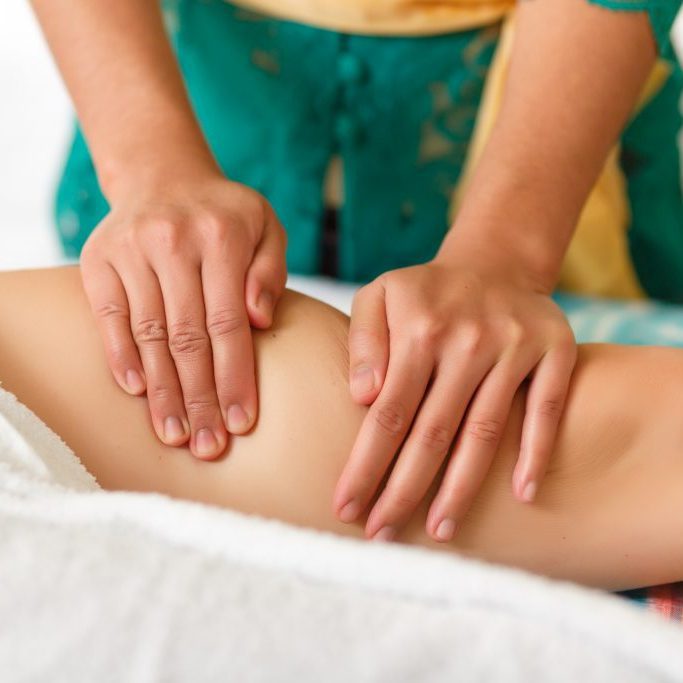
Although the techniques differ, the core principle is the same: therapeutic touch influences the muscles, circulation and nervous system at once. Relaxation massages rely on slow, surface-level strokes that activate the body’s calming response, breathing slows down and mental tension gradually eases. Therapeutic massages, such as deep tissue, use sustained pressure to release contracted areas and restore mobility.
Eastern techniques, such as Balinese or Thai, add an extra dimension: work on the body’s energy points and lines, for an overall sense of balance. Choosing well really means matching the therapy’s mechanism to your need: calming, muscle recovery or rebalancing.
The benefits of choosing the right massage
When the type of massage matches your need, the benefits are felt immediately and last longer. A well-chosen session can release accumulated muscle tension, improve sleep quality and restore your energy and mental clarity. You also avoid the unpleasant scenario of expecting deep relaxation and receiving an intense massage, or the other way around.
In the long run, choosing your therapies consciously helps you build a personalised self-care routine: you can alternate relaxation sessions with therapeutic ones, depending on the rhythm of your life. Many of our guests discover their ideal combination this way.
What a session at Bali Temple looks like
Every visit to Bali Temple starts with a short conversation with your therapist: you tell us how you feel, which areas bother you and what you’d like from the session. If you’re not sure which massage suits you, this is the perfect moment to ask, our therapists will recommend the ideal option for your needs.
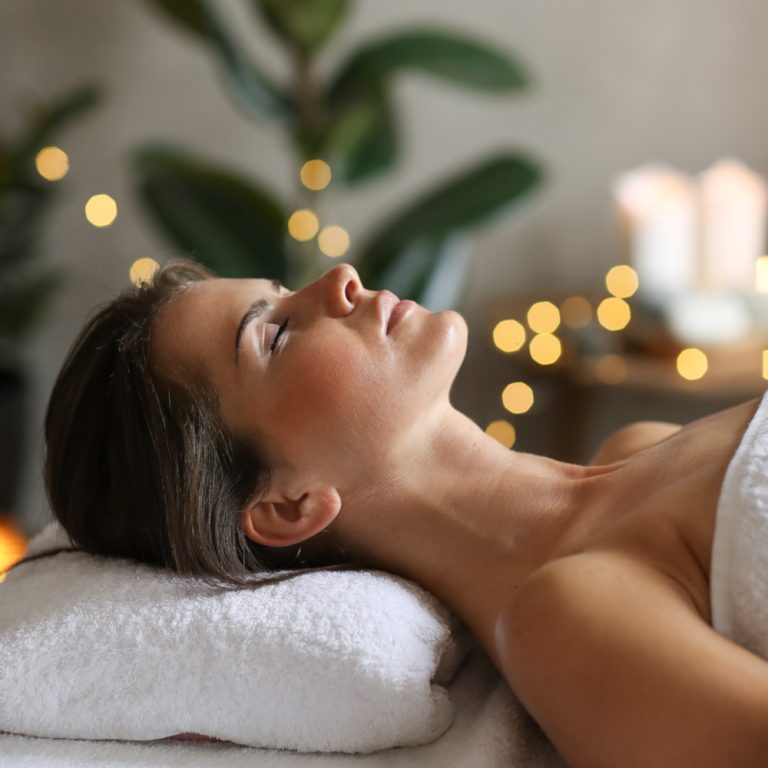
Then comes the ritual itself, in a room with warm light, delicate aromas and Balinese music. The pressure is adjusted continuously based on your feedback, and at the end you’re invited to return at your own pace, with a warm tea. The whole experience is designed to carry you, for 60 or 90 minutes, far away from the bustle of the city.
Who each type of massage is recommended for
If you work at a desk and feel tension in your shoulders, neck or back, deep tissue or Swedish massage are natural choices. If you’re going through an emotionally demanding period, a relaxation or Balinese massage helps you slow down. Athletes and active people benefit from deep recovery techniques, while first-timers usually feel most comfortable with a relaxation or Swedish massage at moderate pressure.
There are special needs too: mums-to-be can opt for prenatal massage, and those who spend long hours on their feet may choose reflexology. Age, activity level and personal sensitivity all matter, which is why the initial conversation with your therapist is part of the experience.
Precautions
However pleasant it may be, massage isn’t recommended for everyone, at any time. Avoid intense sessions if you have fever, acute infections, active inflammation, thrombosis, open wounds or skin conditions in the treated area. For chronic conditions (cardiovascular problems, advanced osteoporosis, herniated discs) ask your doctor first.
Pregnancy requires adapted techniques, so always let your therapist know if you’re expecting. Likewise, tell us about any recent surgery or ongoing treatment. This information helps us adapt the pressure, positions and areas of work for a safe, pleasant experience.
Relaxation massage vs therapeutic massage
The most common dilemma among our guests is choosing between relaxation and therapeutic work. Relaxation massage focuses on your overall state: slow strokes, gentle-to-medium pressure, an atmosphere that invites daydreaming. It’s the ideal choice when your goal is to disconnect and rest.
Therapeutic massage (deep tissue, Thai or certain sequences of the Balinese ritual) works on problem areas with firmer pressure. It can feel more intense in the moment, but the results show in mobility and reduced muscular discomfort. The good news: you don’t have to choose forever. You can alternate the two styles or ask for a personalised combination.
How you feel after a well-chosen massage
After the right session, your body feels lighter, warmer and more mobile, and your mind: clear and calm. It’s normal to feel pleasantly drowsy in the first few hours, a sign that your nervous system has switched to recovery mode. After deeper massages, mild muscle soreness may appear and fades within a day or two.
To prolong the effects, hydrate well, avoid intense effort that day and, if you can, give yourself a quiet evening. You’ll notice the benefits of a well-chosen massage lasting for days after the session.
The authentic spirit of the island of Bali
At Bali Temple, choosing the right massage comes with an authentic experience. Our therapists come from Bali and bring with them not just the technique, but the island’s philosophy: the belief that wellbeing arises when body, mind and soul are in harmony.
From the scent of tropical flowers to the rituals that open and close each session, everything is designed to transport you to the heart of the island of the gods. Whichever therapy you choose, the Balinese spirit remains the common thread of the experience.
Frequently asked questions
I’ve never had a massage before. Where should I start? For a first experience we recommend a relaxation or Swedish massage at moderate pressure. They’re gentle and pleasant, give you the chance to discover what you enjoy, and your therapist can guide you towards the next step.
Can I ask for the pressure to be changed during the session? Absolutely, we encourage it. Your therapist can adjust the pressure at any time, and your feedback makes the difference between a good massage and one that’s perfect for you.
How often should I get a massage? For maintenance and relaxation, a session every two to four weeks is an excellent rhythm. If you’re working on a specific muscular issue, your therapist may recommend more frequent sessions for a while.
Price and booking
At Bali Temple, every therapy is available in 60- and 90-minute sessions. See the latest details and prices and book directly on the massage page, where you’ll find all our therapies, or explore the classic massage section to compare techniques.