Deep tissue massage: benefits, techniques and who it’s for
The deep tissue massage, also known as deep muscle massage, is for those who no longer want just surface relaxation, but a real release of the tension built up deep within the muscles. It methodically works the deeper layers of muscle and the fascia, where knots, contractures and the chronic tension from long hours at a desk, intense training or everyday stress accumulate. At Bali Temple we combine the therapeutic precision of this technique with the warm, Balinese atmosphere, so that physical release comes hand in hand with a deep calming of the mind. If you feel that an ordinary massage “doesn’t reach where it should”, deep tissue is the answer.
What deep tissue massage is
Deep tissue massage is a therapeutic technique that focuses on the deeper layers of muscle and connective tissue. Unlike a classic relaxation massage, the pressure is firmer and more sustained, applied slowly and with control, in order to reach the tension that hands cannot touch on the surface. The goal is not discomfort, but the gradual dissolving of adhesions and muscle “knots” that limit movement and sustain pain.
This form of massage has its roots in Western therapeutic traditions, developed specifically to treat deep muscle tension and chronic problems. It is a methodical approach in which every movement has a precise purpose: to relax, to release and to restore the muscle’s freedom of movement.
Deep tissue massage techniques
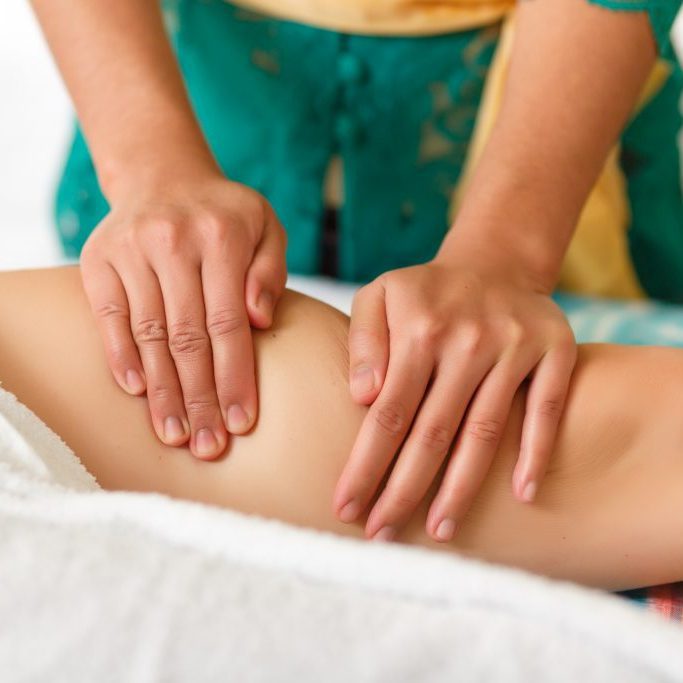
The therapist uses slow movements and deep pressure applied with the fingers, palms, knuckles and forearms, as well as friction along and across the muscle fibre. Special attention is given to trigger points, the tense areas that can radiate pain to other parts of the body.
The pace is deliberately slow: the pressure sinks into the tissue as the muscle relaxes, never forced. It is precisely this control that makes the difference between an effective deep massage and one that is simply hard. The therapist “reads” the muscle and adjusts the intensity according to how your body responds.
Depending on the area being worked, the therapist may combine deep tissue with gentle stretching and myofascial release techniques for a more complete result. Everything happens at a pace that respects your body, not against it.
How it works
Firm, sustained pressure helps loosen the fascia and release the adhesions formed between muscle layers. This improves local circulation, brings more oxygen to the tissues and supports the removal of accumulated tension.
As the contractures give way, range of motion increases and the feeling of heaviness and stiffness visibly decreases. The muscle gradually returns to its natural length and flexibility, which translates into better posture and less pain in everyday life.
Another important effect is the stimulation of the parasympathetic nervous system, the one responsible for deep relaxation. As the body leaves the fight-or-flight mode that chronic stress keeps it in, the heart rate slows, breathing calms and muscular tension releases more easily. In practice, deep tissue works on the body and the nervous system at the same time.
The benefits of deep tissue massage
Deep tissue massage can help ease chronic back, neck and shoulder pain, relax tight muscles and improve posture affected by a sedentary lifestyle. It is valued by active people for supporting muscle recovery after effort and for increasing mobility.
Beyond the physical side, releasing deep tension often brings a sense of calm and better sleep. Many clients say that after a few sessions they move more easily, sleep better and feel far less of the stress stored in the body.
By working on the fascia and tension points, the massage can also reduce tension-type headaches, which often originate in the tight muscles of the neck and shoulders. Combined with corrected posture and improved circulation, the effect is felt throughout the day.
How a session unfolds at Bali Temple
Every session begins with a short conversation about the areas that bother you and the pressure level you are comfortable with. We use warm oils and pressure adapted in real time, we always invite you to tell us if you want more or less.
The session usually lasts 60 or 90 minutes, in a quiet setting with soft music and aromas that help you fully disconnect. Even though the technique is therapeutic, the experience remains one of pampering, designed to relax you from the first minute to the last.
At the end, we recommend a few minutes of rest and a glass of water, so the muscles can make the most of the relaxation. If you come for a specific problem, we can suggest a plan with several sessions for lasting results.
Who it is recommended for
Deep tissue massage is suitable for those who spend a lot of time at a desk, for athletes and active people, and for anyone who feels chronic tension in the neck, back or shoulders. It is also a good choice for those who feel that a classic massage does not reach deep enough.
If you struggle with morning stiffness, recurring posture-related pain or simply a tension that will not let go, this technique is designed exactly for you.
It is also recommended for those going through a stressful period who feel tension gathering in their shoulders and neck. Instead of letting that tension turn into chronic pain, a regular deep tissue session helps keep your body free and your mind clear.
Precautions
Deep tissue massage is not recommended during pregnancy without a doctor’s approval, or in cases of thrombosis, pronounced varicose veins, acute inflammation, recent fractures or clotting problems. If you are on blood-thinning medication or have a chronic condition, talk to your doctor first.
Always tell your therapist about any health issue before the session, your safety comes first, and the pressure can be adjusted at any time according to your needs.
Deep tissue vs other massages
Unlike Swedish massage, which uses gentler movements and is mainly aimed at relaxation, deep tissue goes deeper and works on chronic tension. Compared to Balinese massage, which blends relaxation with energetic rebalancing, deep tissue is more therapeutic and more targeted.
The choice depends on your goal: if you want general relaxation and a sensory escape, Balinese or Swedish massage are ideal; if you have a specific, deep tension you want to release, deep tissue is the best option.
How you feel after a deep tissue massage
Right after, most people feel relief and a sense of “release” in the areas worked. It is normal for a mild soreness to appear in the first 24-48 hours, similar to the feeling after physical effort, a sign that the muscles were worked deeply.
Drink plenty of water, rest, and the discomfort passes quickly, leaving behind more relaxed, more mobile muscles and an overall sense of relief.
The authentic spirit of the island of Bali
At Bali Temple, even the most therapeutic massage keeps the warm soul of the island of Bali. The fragrant oils, the attentive touch and the serene atmosphere turn a deep tissue session from a simple procedure into a true escape. We believe that healing the body and calming the mind go hand in hand, and every session is an invitation to balance.
Frequently asked questions
Does deep tissue massage hurt? The pressure is firm, but it should not be painful. We always work at your comfort limit and adjust the intensity as we go.
How often can I have it? For chronic tension, a session every 1-2 weeks is ideal at first; afterwards, once a month for maintenance.
How long does a session last? Between 60 and 90 minutes, depending on the areas you want us to work on.
Price and booking
At Bali Temple, deep tissue massage is available in 60- and 90-minute sessions. See the latest details and prices and book directly on the Deep Tissue Massage page, or explore all our treatments in the classic massage section.