Asian Massage: Benefits and Traditional Techniques
Asian massage brings together, under a single name, a wealth of traditional techniques developed over thousands of years in cultures such as those of Thailand, Japan, China, India and Indonesia. Unlike Western massages, which focus mainly on the muscles, Asian massage views the body as a whole, in which energy, breath and inner balance are just as important as physical relaxation. The result is a profound experience that not only relaxes the body, but also restores your state of mind. If you are drawn to a massage with depth and meaning, Asian massage is a beautiful world to explore.
What is Asian massage
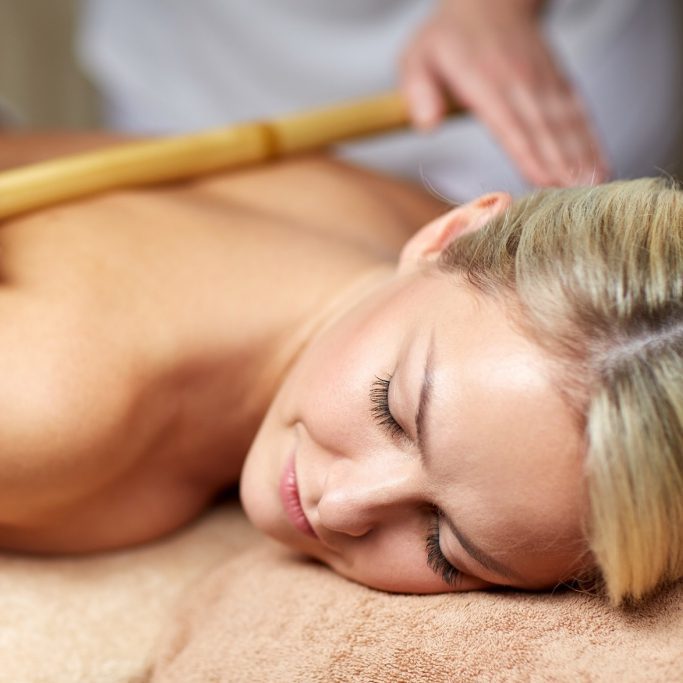
Asian massage is a term that encompasses several traditional techniques from across Asia, each with its own philosophy and methods. What unites them is a holistic view of the body: the idea that health and well-being depend on the free circulation of vital energy. Many of these techniques work along energy lines and points, using pressure, stretches and movements that aim not only to relax the muscles, but also to restore inner balance. It is an approach to the body that is as much about harmony and energy as it is about easing physical tension.
The main types of Asian massage
There is an impressive variety of Asian massages, each with its own character:
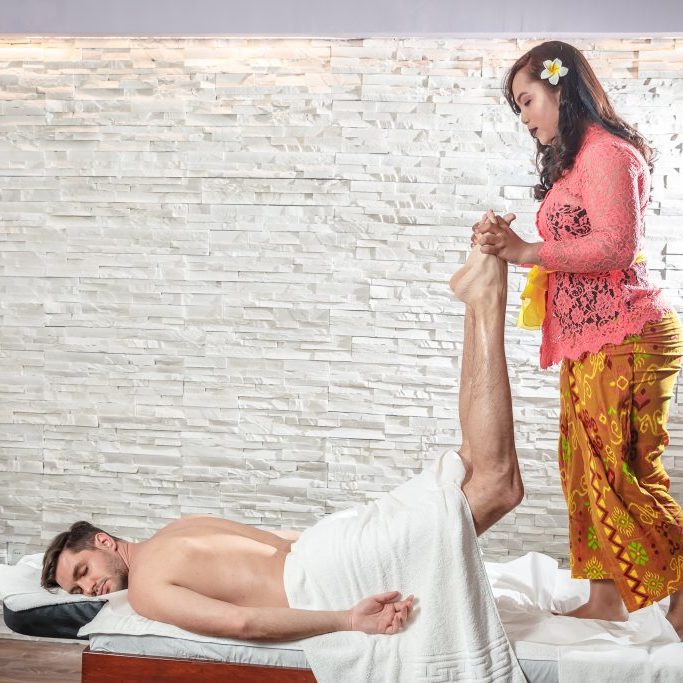
- Thai massage, combines acupressure with yoga-like stretches, working along the body’s energy lines.
- Shiatsu, a Japanese technique that uses finger pressure on energy points to rebalance the flow of energy.
- Lomi Lomi, a flowing, Hawaiian-Polynesian-inspired massage with long, continuous strokes that bring deep relaxation.
- Ayurvedic massage, an Indian technique using warm oils and rhythmic movements to balance the body’s energies.
- Reflexology, the stimulation of points on the soles that correspond to organs and areas of the body.
How Asian massage works
In traditional Asian medicine, it is believed that a vital energy flows through the body, known as “qi” in the Chinese tradition, “ki” in the Japanese, or “prana” in the Indian. When this energy flows freely, we are healthy and balanced; when it becomes blocked, tension, fatigue and discomfort arise. Asian massage seeks to release these blockages through pressure, stretches and movements applied along the energy lines and points. In this way, beyond muscular relaxation, Asian massage restores the natural flow of energy, leaving you with a sense of vitality and balance.
The benefits of Asian massage
- Reduces stress and tension, calms both body and mind.
- Improves circulation, stimulates the flow of blood and energy.
- Increases flexibility, especially the techniques with stretches, such as Thai massage.
- Balances energy, releases blockages and restores the vital flow.
- Relaxes deeply, brings a lasting state of calm and well-being.
- Revitalises, many techniques leave a sense of vitality and renewed energy.
How a session works at Bali Temple
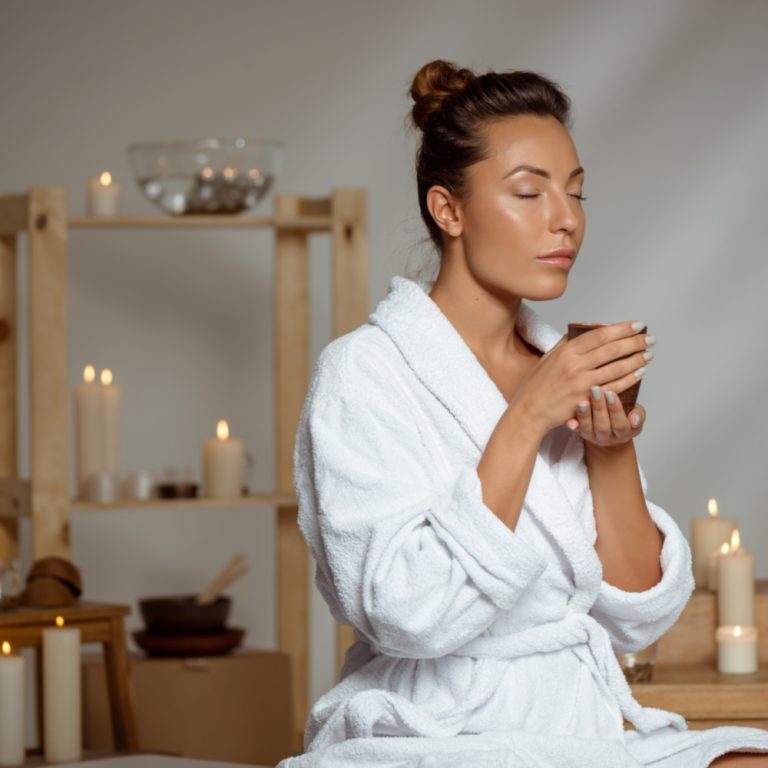
At Bali Temple, Asian massage is an authentic experience, created in the spirit of tradition. The session begins with a short conversation, in which the therapist recommends the technique best suited to what you are looking for. You then relax in a warm atmosphere inspired by the spirit of Bali, with soft lighting and pleasant aromas. The therapist applies the chosen technique with skill, adapting the pressure and rhythm to your body. Throughout the session, you are guided with care towards a state of deep relaxation and inner balance.
Who is it for
Asian massage is ideal for anyone seeking more than simple muscular relaxation. It suits people who are stressed, those who feel they need to recharge their energy, those with muscular tension and stiffness, and anyone curious to discover a thousand-year-old tradition of caring for the body. Depending on the technique chosen, Asian massage can be gentle and relaxing or more dynamic and invigorating.
Precautions
Asian massage is generally safe, but some techniques (such as Thai massage, with its stretches) can be intense. It is best to seek your doctor’s advice if you are pregnant, have spinal conditions, cardiovascular problems, herniated discs or other health concerns. Always tell your therapist about your condition so the session can be adapted safely to you.
Asian massage vs classic massage
The main difference between Asian massage and the classic Western massage lies in philosophy. A classic massage, such as Swedish, focuses on the muscles and on physical relaxation through gliding and kneading movements. Asian massage views the body holistically, working on energy and inner balance, often through pressure on points and stretches. Neither is better than the other, the choice depends on what you are looking for: direct muscular relaxation, or a deeper experience that also restores your energy.
What you feel afterwards
After an Asian massage, most people describe a distinctive sensation: the body is relaxed and light, while the mind is clear and calm. Depending on the technique, you may feel a deep relaxation or, on the contrary, a wave of energy and vitality. It is a good idea to drink water after the session and to give yourself a few minutes to enjoy the sense of balance before returning to your daily activities.
A tradition thousands of years old
The techniques of Asian massage are not a recent trend, but the fruit of a tradition thousands of years old. In India, Ayurvedic massage is part of a complete system of traditional medicine developed over three thousand years ago. In Thailand, traditional massage has deep roots, influenced by both Indian Ayurveda and Buddhist practices. In Japan and China, techniques such as Shiatsu and acupressure developed alongside the philosophy of traditional medicine, based on energy meridians. This rich cultural heritage is what makes Asian massage so much more than a simple therapy, it is an encounter with the wisdom of civilisations that have studied the human body for millennia.
Authenticity at Bali Temple
What we set out to offer at Bali Temple is an authentic experience, faithful to the spirit of the Asian traditions. From the atmosphere inspired by Bali to the skill of our therapists, everything is designed to transport you to another world, far from the rush of daily life. We offer not just a massage, but a complete sensory journey, in which every detail (the aroma, the sound, the touch) contributes to a deep state of relaxation and balance. For us, Asian massage is an art, and every guest deserves to experience it in its most authentic form.
Frequently asked questions
Which type of Asian massage is best? It depends on what you are looking for. For flexibility, Thai massage; for energy balance, Shiatsu; for deep relaxation, Lomi Lomi or Ayurvedic. The therapist will help you choose.
Is Asian massage painful? It shouldn’t be. Some techniques are more intense, but the pressure is always adapted to your comfort.
Do I need to undress? It depends on the technique. Thai massage is performed clothed, in loose garments, while other techniques using oils require partial undressing. You are always appropriately covered.
How long does a session last? Usually between 60 and 90 minutes, depending on the technique chosen.
Can I give an Asian massage as a gift? Yes, a gift voucher for an Asian massage is a special present for those who want to offer an authentic and relaxing experience.
Price and booking
At Bali Temple, you can discover the authenticity of Asian techniques in an atmosphere inspired by the spirit of Bali. See details and book directly on the Asian massage page.