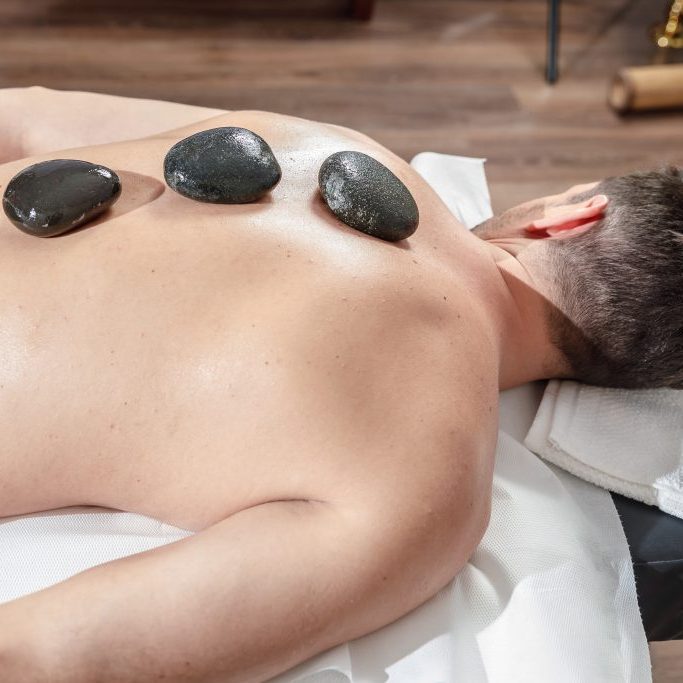
Swedish vs deep tissue massage
Swedish vs deep tissue massage
If you have found yourself comparing Swedish massage with deep tissue, you are already on the right track: both are classic, world-renowned therapies, but they answer different needs. One wraps you in relaxation and restarts your circulation; the other works deep down, where tension has been building for months. In this guide we walk you through the differences step by step, so you can choose the right session for your body — and for the moment you are in.
What Swedish massage is and what deep tissue is
Swedish massage is perhaps the best-known form of Western massage. Developed in the 19th century, it combines long, flowing strokes, gentle kneading and moderate pressure, applied in the rhythm of your breathing. Its main purpose is whole-body relaxation, improved circulation and the release of surface muscle tension. It is the massage you picture when you imagine an hour of quiet, with warm oil and soft music.
Deep tissue massage, on the other hand, is a therapy aimed at the deeper layers of muscle and connective tissue. The therapist uses firm, slow and very precise pressure, often with the forearm, elbow or knuckles, to work specifically on contracted areas. It is not a massage that is “harder” for the sake of intensity, but a more targeted one: it seeks out muscle knots and adhesions and releases them methodically, layer by layer.
The techniques of the two massages
In Swedish massage you will find the five classic techniques: effleurage (long warming glides), petrissage (kneading that mobilises the muscle), circular friction, tapotement (light rhythmic percussion) and vibration. They follow one another in a fluid choreography designed to calm the nervous system and gradually prepare the tissues. The pressure stays within your comfort zone: firm enough to feel the work, gentle enough to let you fully relax.
Deep tissue borrows part of the same vocabulary but performs it differently: the movements are slower, the pressure builds progressively and focuses on specific muscle groups — neck, shoulders, lower back, thighs. The therapist “listens” to the tissue and stays where resistance is found, using tension-release techniques. If Swedish massage gives the whole body equal attention, in deep tissue the map of the session is drawn by your problem areas.
How each one works
Swedish massage works primarily with circulation and the nervous system. The broad strokes directed towards the heart support venous and lymphatic return, while the rhythmic, predictable touch sends your brain a simple message: you are safe, you can relax. That is why, after a good Swedish session, many people describe a calm similar to the one after a truly restful sleep.
Deep tissue acts mechanically on shortened muscle fibres and on the fascia — the sheath of connective tissue that wraps the muscles. Slow, sustained pressure helps release contractures, improve mobility and reduce that “knot” feeling in overworked areas. The effect builds over time: the body needs a few days to integrate deep work, and regular sessions maintain the results.
The benefits of Swedish and deep tissue massage
Swedish massage is the ideal choice when you want to lower your stress level, sleep better and give your body back an overall feeling of lightness. It is appreciated for its effect on circulation, for its gentle muscle relaxation and for the sense of wellbeing that settles in during the session itself. Being a moderate therapy, it can be repeated often, with no adjustment period.
Deep tissue shines where tension has become chronic: shoulders raised from desk work, a stiff neck, a lower back strained by long sitting or physical effort. Many clients choose it for the feeling of release in the areas worked on and for the mobility they regain. If you want to explore this type of massage further, we recommend our dedicated deep tissue massage page, where you will find all the details.
What a session at Bali Temple looks like
At Bali Temple, every session begins with a short conversation: you tell us how you feel, which areas bother you and what you expect from the massage. Based on your answers, the therapist adjusts the pressure, the rhythm and the focus areas — because the same type of massage can be performed very differently depending on the body in front of them. The room welcomes you with warm light, delicate scents and soft Balinese music.
If you choose Swedish massage, expect a fluid hour in which the whole body is worked with warm oils and continuous strokes. If you choose deep tissue, the pace is slower and more focused, and the therapist keeps checking in about intensity: the pressure should be firm, but never unbearable. In both cases, the final minutes are for coming back — you breathe, rise slowly and listen to your body.
Who each massage is recommended for
Swedish massage suits almost everyone: people at their first massage, those going through busy periods who want a real break, those more sensitive to pressure, or simply anyone who wants to relax without any discomfort. It is also an excellent monthly maintenance ritual for physical and mental balance. You will find our version on the Swedish massage page.
Deep tissue is recommended for people who spend long hours at a desk, for athletes and active people, and for those who feel that gentle relaxation simply does not “reach” their tension. If you have precise areas that have been bothering you for weeks — a rigid neck, heavy shoulders, a tired lower back — deep, targeted work is usually what you are really looking for.
Precautions
There are situations in which massage — especially deep work — should be postponed or adapted: acute conditions, fever, inflammation or recent injuries, thrombosis or significant circulatory problems, advanced osteoporosis or recent surgery. If you are on anticoagulant treatment or live with a chronic condition, talk to your doctor first; massage is a relaxation and wellbeing therapy, not a substitute for medical care.
Pregnancy also calls for a special approach: mums-to-be need gentle techniques and adapted positioning, not deep pressure. Always tell your therapist about any sensitivity, pain or diagnosis — the more they know, the better they can tailor the session for you, in complete safety.
Swedish and deep tissue vs other massages
Compared with Balinese massage — the signature of our house — these two Western therapies have a more “technical” character: the Balinese ritual weaves acupressure, gentle stretches and aromatherapy into a complete experience, with a spiritual dimension inherited from the island’s tradition. Thai massage, in turn, is performed without oil and feels more like passive yoga, full of stretches.
As a simple guide: if you want overall relaxation with oil and flowing strokes, choose Swedish; if you want deep work on tense areas, choose deep tissue; if you want a complete, sensory experience with energy and tradition, choose Balinese. And if you cannot decide, our therapists will guide you towards the right combination for your body and your day.
How you feel after each
After a Swedish massage, the dominant feeling is lightness and calm: the body feels warmer and more fluid, the mind clearer. Many clients say they sleep better on the night after the session and that the relaxed state stays with them for days. It is the kind of massage you leave smiling, with no discomfort at all.
After deep tissue, it is normal to feel mild muscle soreness in the areas worked on, similar to the feeling after a workout — a sign that the tissues were mobilised in depth. It usually fades within a day or two, leaving behind visibly better mobility and a sense of release. Good hydration and rest help your body integrate the effects faster.
The authentic spirit of the island of Bali
Even though Swedish and deep tissue massage come from the Western tradition, at Bali Temple they are offered in the atmosphere that defines us: a corner of Bali in the heart of Bucharest. Our therapists come from the island of the gods, where healing touch is part of everyday culture, and that heritage shows in every gesture — in the patience, the ritual, the care for detail.
For us, a massage is never just a procedure, but a moment of reconnection. The frangipani scents, the tea served at the end and the quiet of the space turn even the most “technical” deep tissue session into an experience that nourishes body and mind alike.
Frequently asked questions
Which massage is more intense: Swedish or deep tissue? Deep tissue is more intense, because it works slowly and firmly on the deeper muscle layers. Swedish massage uses moderate pressure and remains, for most people, a purely relaxing experience. The intensity is always adjusted to your comfort.
Can I combine the two types of massage? Yes — and it is actually common practice: many sessions start with Swedish warming techniques and continue with deep work on the tense areas. Tell your therapist what you want, and they will build the session around your needs.
How often should I get a massage? For maintenance and relaxation, one session a month is an excellent rhythm. If you are working on chronic tension with deep tissue, closer sessions — every one to two weeks — can help at first, before moving to a maintenance rhythm.
Price and booking
At Bali Temple, Swedish massage is available in 60- and 90-minute sessions. See the latest details and prices and book directly on the Swedish Massage page, or explore all our treatments in the classic massage section.